2026 Edition
Routes
Three stages and one hundred kilometers of Patagonian mountains. The course changes every edition.
The stages
A race for trained athletes
El Cruce requires excellent physical fitness and previous experience in adventure races. Think carefully about whether you can meet the time limits.
There is a Plan B for adverse weather conditions, but there are no alternative routes for anyone unable to complete stages 2 or 3.
To check in you need your medical certificate: bring it that day or upload it to EntryFee before November 1.
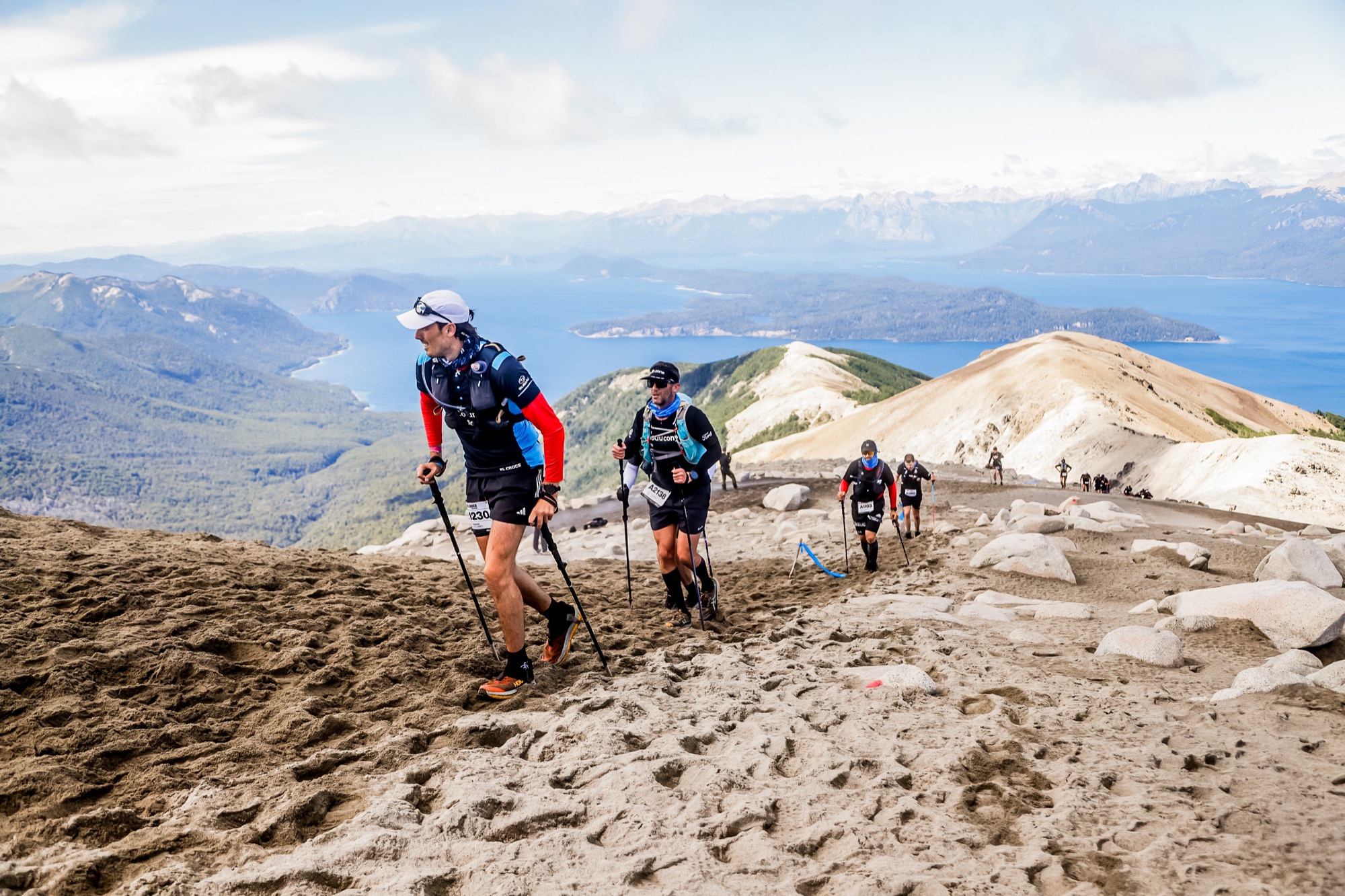
Day 02
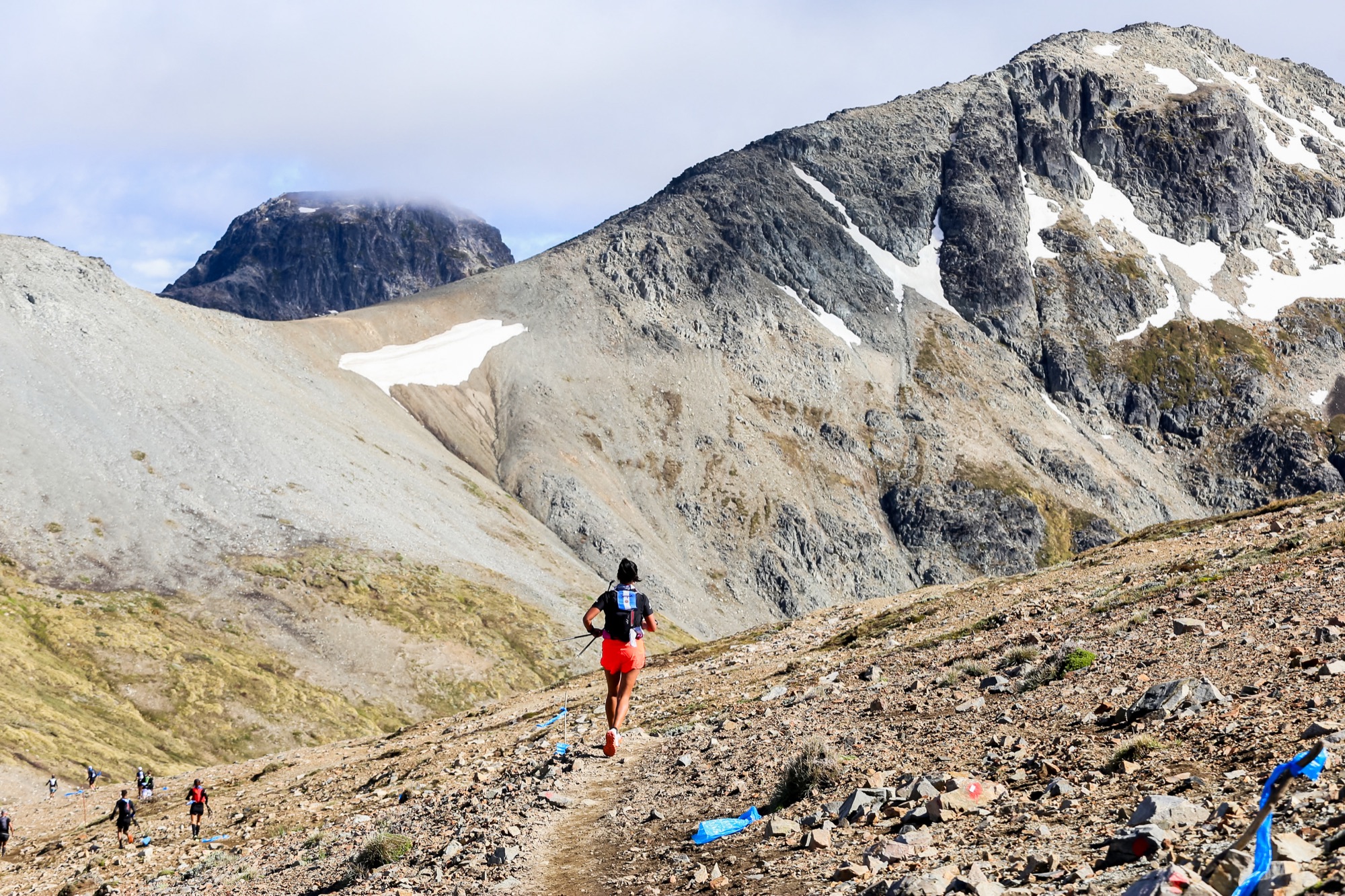
Stage 2
- Distance
- 28 km
- Elevation gain
- +1,600 m
- Aid stations
- 1
0 kmStart8.5 kmAid stations28 kmFinish
Day 03
Stage 3
- Distance
- 32 km
- Elevation gain
- +1,600 m
- Aid stations
- 2
0 kmStart13 kmAid station 125.5 kmAid station 232 kmFinish
The detailed course is published the day before the start. This is requested by the owners of private land and by local communities. Several sections are restricted all year round: registering does not give you the right to train on them or enter them before the race. The course may be subject to change.
Time limits
Final cutoffs
They exist to protect everyone’s safety and keep the race in order.
15min/kmTime limit to complete each stage.
70%Each stage has a fixed cutoff past this point of the course.
The organization may add earlier cutoffs depending on the elevation, and extend the time limit due to bad weather or bottlenecks.
Anyone who reaches a cutoff after the time limit cannot continue the stage. The transfer to camp is charged.
The El Cruce 2026 medal is exclusive to those who complete all three stages. Anyone who misses a cutoff receives an alternative medal.
If you think you won't make it, consider La Etapa: 15 km and 33 km
Aid stations
Refueling during the race
Food and drink stations along each stage, with sweet and savory, cold and hot options. Gluten-free options are also available.
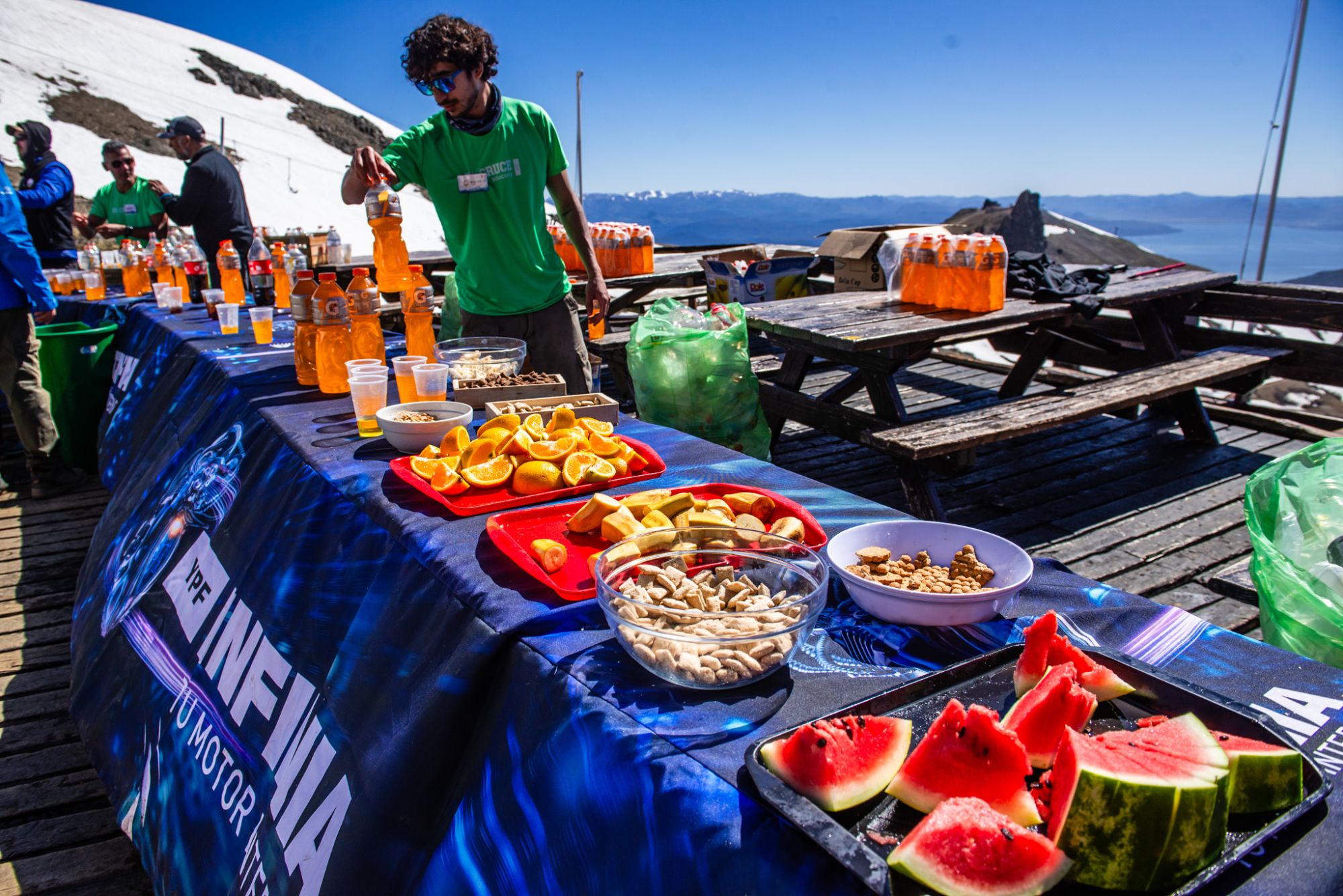
FruitBanana, orange, watermelon and melon.
SavoryPretzel sticks, peanuts, chips and crackers.
SweetChocolate peanuts, candied nuts and cookies.
Quince paste and breadQuince paste with bread.
Cold drinksWater, Gatorade, Coca-Cola and fruit juice.
Hot drinksCoffee and soups.
Bring your cup. To reduce plastic, every runner gets a reusable cup that is part of the mandatory gear and is used at the aid stations and at every finish. If you lose it, it can be replaced at check-in or at the camps for USD 4.
Poles
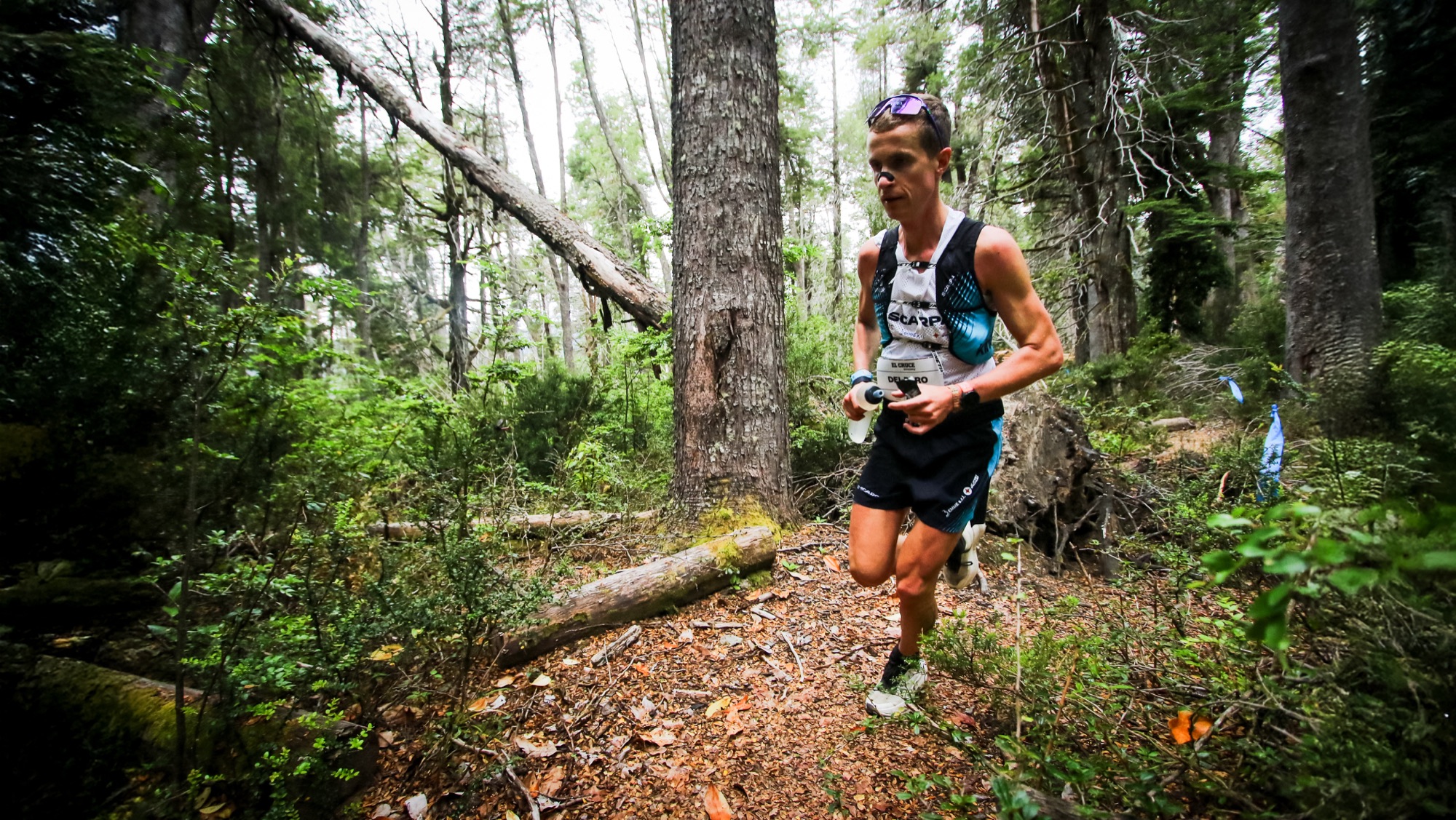
Highly recommended
Get used to them in training. They can’t be left at the camps, at aid stations or along the course, and the organization is not responsible for loss or damage.
During the race
Checkpoints and timing
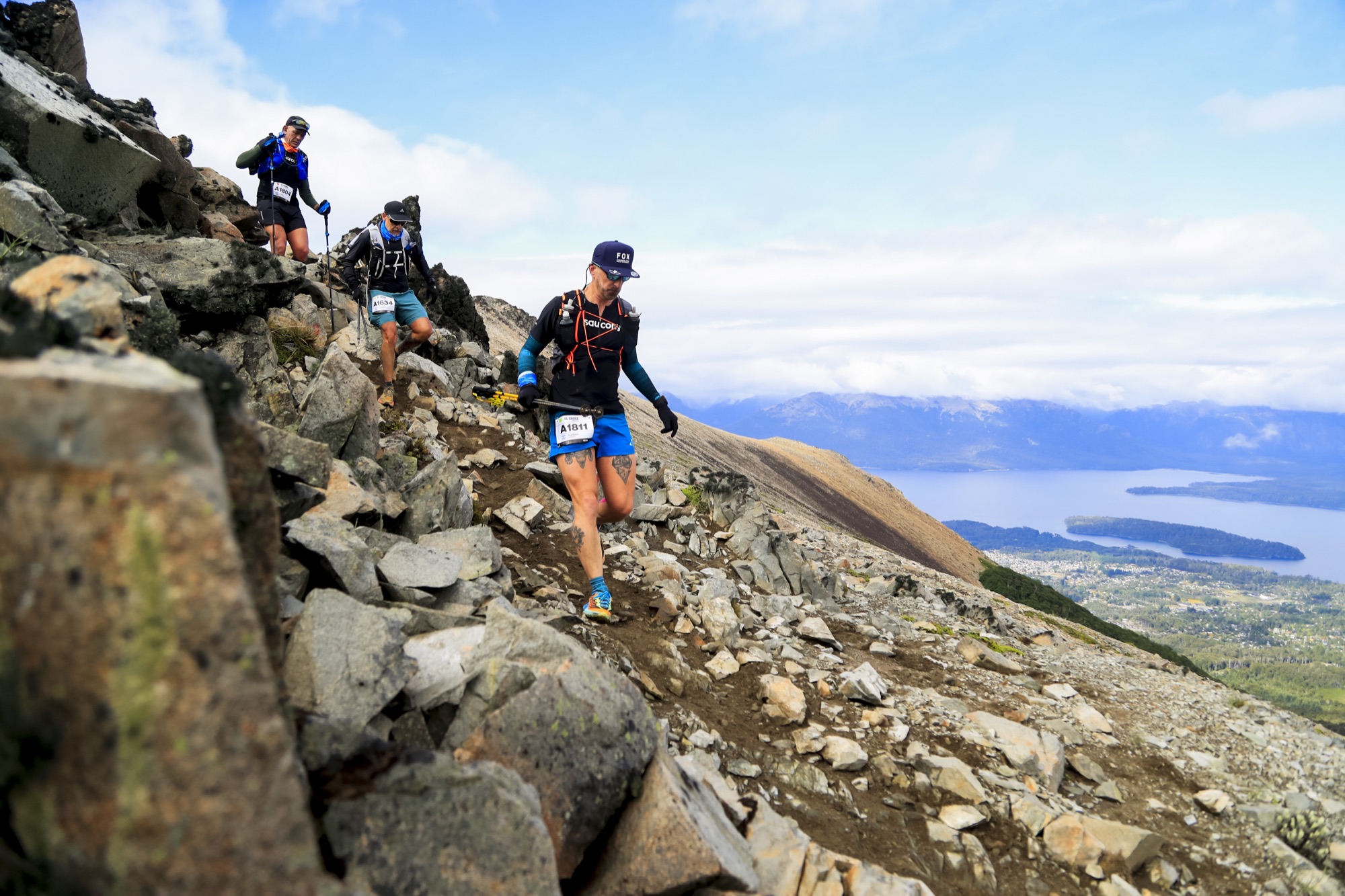
- CheckpointsMandatory for everyone. Skipping one without going back to correct it means immediate disqualification.
- TimingYour total time is the sum of the three stages. You race with a chip (RaceResult system) and there are splits on each stage for tracking.
- BibAlways on your chest or on a race belt. Don't attach it with magnets, and don't fold the bib or peel off the chip.
- PhoneIf you carry it on the front of your vest, put it on the left side, opposite the chip, to avoid interference.
Safety and medical support
Supported along the whole course
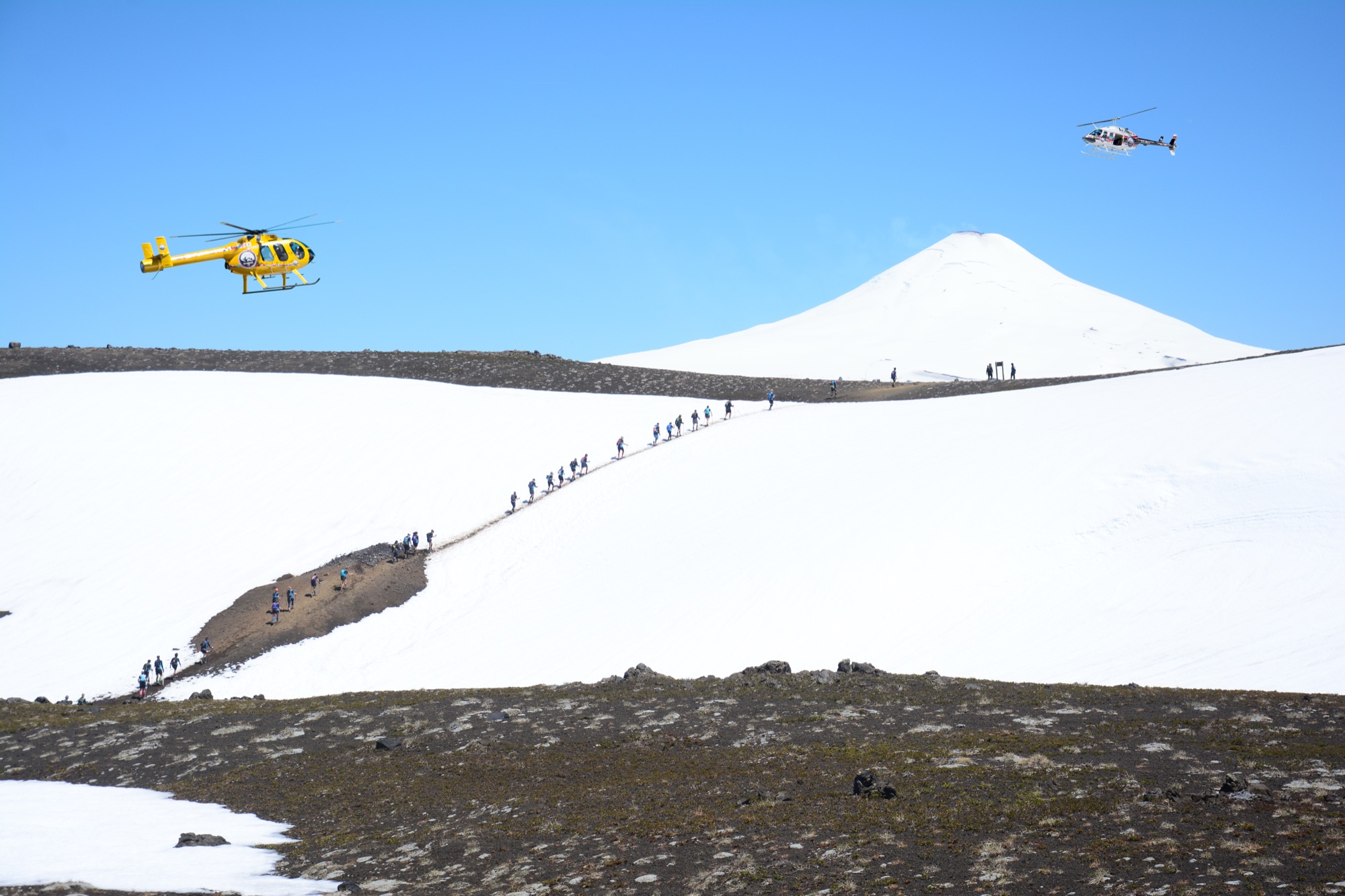
You’ll pass through places that vehicles can’t reach: only on horseback and, depending on weather and availability, by helicopter. A medical and rescue team covers the routes and the camps.
Bring your health insurance card. If you need to be transferred to a hospital, the costs are on you: the race’s coverage ends with the transfer.
The medical staff may stop a runner from continuing, and the organization may change distances, routes and schedules due to the weather.
Mountain guidesSpecialized, spread along the routes.
Rescue teamsWith care and evacuation equipment.
Radio networkLinked bases and repeaters.
AmbulancesWith doctors on board.
Chief physicianMedical direction of the entire race.
Medical tentAt the organization's base.
Preparation
It’s not a trek
Three days of racing with camp life demand physical, mental and logistical preparation. Here’s advice from those who have already run it.
- 01Train in a groupIdeally one that specializes in mountain running: it keeps you organized, motivated and supported for months.
- 02Get strongerGym or strength classes, focusing on the muscles that support your knees.
- 03Practice the descentsMost withdrawals are due to injuries on the descents. Give them time.
- 04Use your race gearShoes, backpack, socks, gels and drinks: nothing should be new on race day.
- 05One long run a weekIf you train twice a week for 10 km, El Cruce isn't your goal yet.
- 06Run with wet feetTry more than an hour in wet shoes and socks.
- 07Sleep in a tent beforehandDon't let your first night in a tent be at the camp.
- 08Start nowYou have months ahead of you. Don't leave it to the last minute.
Withdrawals
If you can’t go on
During a stage
Missing a cutoff or deciding not to continue counts as a withdrawal. Let a checkpoint with organization transport know, or make your own way back to Cerro Catedral.
At the camp
If you decide not to start stage 2 or 3, tell the Information tent so they can take you to Cerro Catedral.
In both cases there may be long waits: there is no vehicle available right away. Hotel and food costs are on you, and anyone who withdraws does not receive the El Cruce medal .